
UNPLASTIFY BLOG
Like a ship's log, we will share our adventure and findings in this blog and social media. Follow us to stay tuned!
Como la bitácora de un barco, vamos a compartir nuestra aventura en este blog y redes sociales. Seguínos!
FASE DE PREPARACIÓN // Preparation Phase
Durante casi 1 año estuvimos preparando este viaje. Dos meses antes de zarpar nos mudamos a Fanky. Después de tanto trabajo de preparación, estábamos felices de estar viviendo el comienzo de nuestra aventura desplastificante. // We’ve been preparing this trip for almost a year. Two months before casting off, we moved to Fanky. After all the preparation work, we were happy to be living the beginning of our unplastify adventure.
Bitácora #1: FASE DE PREPARACIÓN
Durante casi 1 año estuvimos preparando este viaje. Desde que decidimos hacerlo, aprox Junio 2017, tomo todo nuestro tiempo libre, mientras seguíamos trabajando. Siempre más de lo estimado. Y en estos últimos 6 meses, mi dedicación fue tiempo completo, completo.
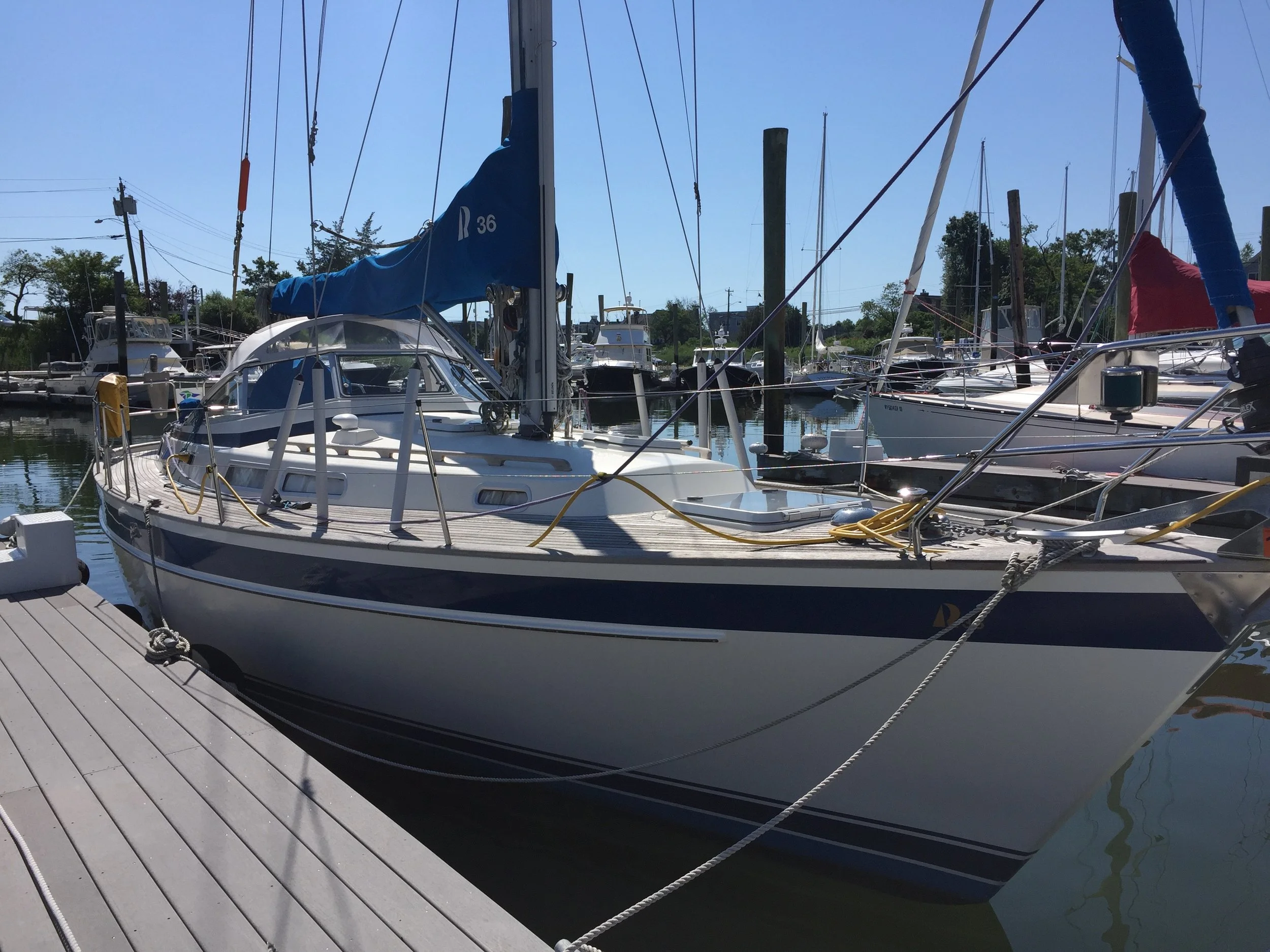
Primero, conseguir el barco no fue fácil. Salir temprano del trabajo tipo 6pm, correr a la estación de trenes, para viajar 1 hora a algún pueblo de Connecticut, donde en general estaban los barcos candidatos. Para cuando llegábamos solamente quedaba un rato de luz y aprovechábamos para ver uno o dos antes de volvernos a New York. Cuando encontramos a Fanky (que en ese momento se llamaba distinto), fue bastante claro que la búsqueda había terminado.
Hallberg Rassy es un astillero sueco, conocido por hacer barcos oceánicos, duros, que se la bancan, como para un viaje como el que estábamos planeando. 36 pies (o casi 11mts) parecían poco, pero por otro lado hace que todo sea más maniobrable, y accesible. 20 años de vida, pero en un estado tan impecable que parecía de menos. Y, además, era un diseño del conocido diseñador de barcos argentino, Germán Frers. Después de investigar, averiguar y comparar, tomamos la decisión. Y ahí empezó la aventura con Fanky.
Aprovechamos lo que quedaba del verano (y hasta casi fin de otoño) al máximo para navegarlo, conocerlo y trabajarlo. Rápidamente aprendí que si bien un barco parece impecable, tendrá siempre miles de cosas que hacer, sobre todo si uno esta preparando un pasaje oceánico. En ese momento yo seguía trabajando en el centro de reciclaje de Lunes a Sabado, así que en el tiempo libre (noches y domingos), fuimos avanzando poco a poco. La dificultad máxima era saber qué hacer y con qué prioridad.
Empecé a navegar 3 años antes, contagiada por la pasión que mi pareja tiene por la vela. Con lo cual, no soy ninguna experta en barcos, y él, si bien navegó toda la vida, nunca hizo un viaje así. Para prepararnos, leímos mucho y hablamos con mucha gente. Empezamos a llenar listas interminables de tareas para hacer, organizadas en +/- 15 categorías (velas, cabos, motor, plomería, electricidad, comunicación, emergencias, etc…) Los meses pasaban y la lista se alargaba a medida que aprendíamos más sobre cómo preparar un viaje semejante. Y a la vez, me encontraba aprendiendo un montón de cosas nuevas, desde cambiar la bomba manual del baño con todas sus válvulas, hasta chequear los filtros del motor, reemplazar los sellos y rulemanes del timón, o entender de corrientes oceánicas y meteorología.
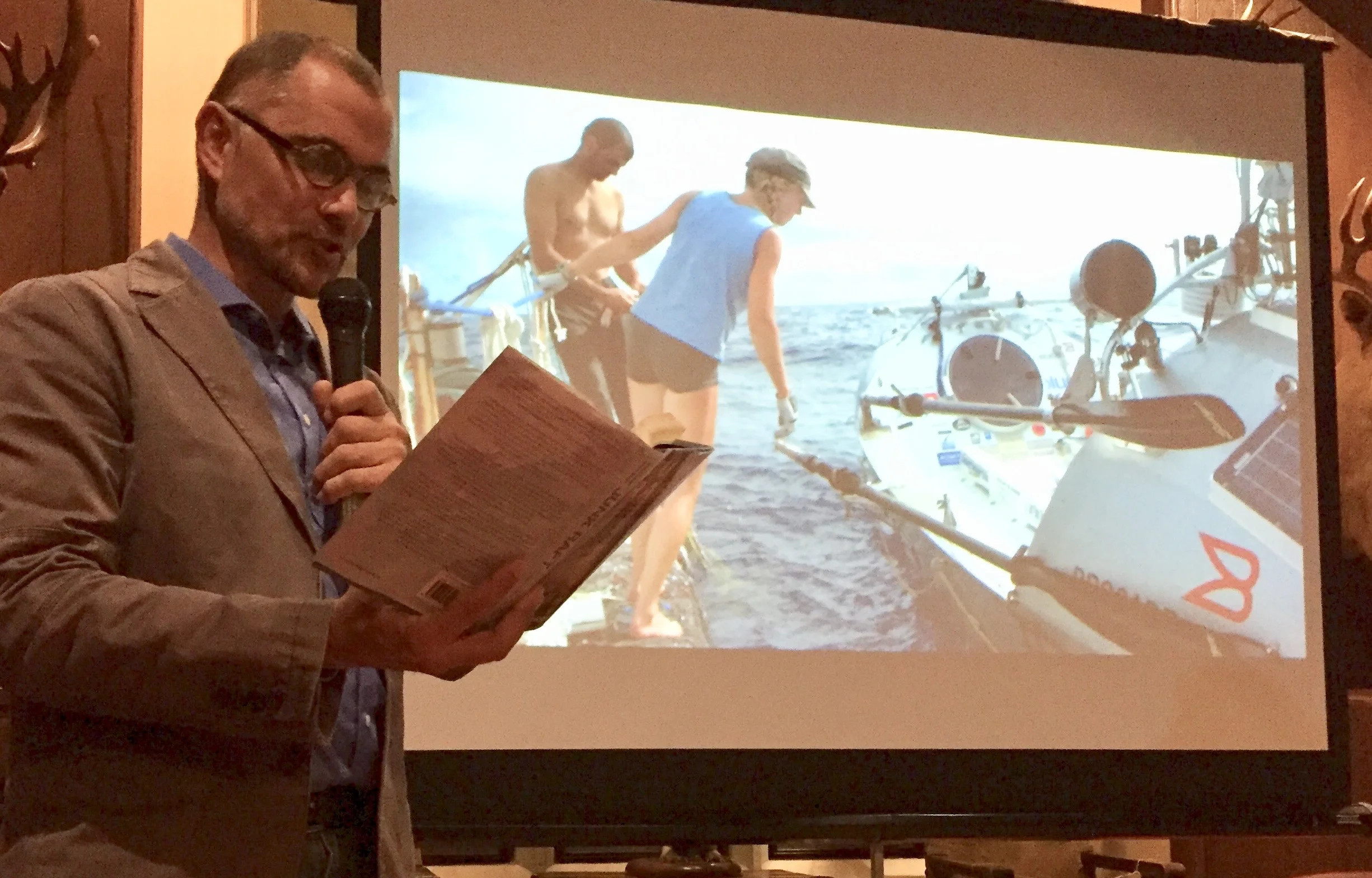
En paralelo, Unplastify fue tomando forma y sumando amigas/os. Mis ganas de hacer algo relacionado a la polución plástica de océanos estuvo desde el principio. Cuando escuche a Marcus Ericson (fundador de 5 Gyres) en un evento en el Club de Exploradores de New York, me acerqué inmediatamente ni bien terminó su presentación a ofrecerme para contribuir a los esfuerzos de investigación de su instituto (además de pedirle que firme su libro que yo (muy nerd) ya tenía hace tiempo en mis manos). Mi entusiasmo máximo fue cuando al día siguiente Marcus contestó mi mail, conectándome con la Directora del programa de Científicos Ciudadanos, casi confirmando mi participación. El Instituto 5 Gyres es uno de los que más viene investigando el tema de plástico en océanos en los últimos 15 años, y tienen 34 barcos en el mundo tomando muestras para ellos. Me da mucho orgullo poder ser uno y sumar al saber de este gran problema.
Dos meses antes de zarpar nos mudamos a Fanky. Achicarse de un departamento a un barco no es fácil. Vendimos y regalamos todo lo que pudimos, ya que no teníamos dónde guardarlo. Más o menos lo logramos, llevando algunas valijas para Buenos Aires. El día de la mudanza nos tocó una tormenta de nieve tremenda. ¿A quién se le ocurre mudarse en Marzo a un barco en un varadero medio perdido en Brooklyn? A nosotros, y felices de estar viviendo el comienzo de nuestra aventura desplastificante.
Primer encuentro con Fanky

Navegando a fin de Noviembre

Entrando a Manhattan en nuestro barco anterior, un Melges 24

Por encarar tareas de plomería
Marcus Eriksen de 5 Gyres en el Club de Exploradores

Dia de la mudanza
Logbook #1: PREPARATION PHASE
We’ve been preparing this trip for almost a year. From the moment we decided to move ahead with the planning, around June 2017, it took all of our spare time, while we continued working at our respective jobs. It always took more time than expected. And, in these last 6 months, I was dedicated full-full-time.
First, getting the sailboat was not easy. We would leave work early at 6pm, run to the train station and take a one-hour train to some Connecticut town, where the candidate boats usually were. Once there, we’d still have some daylight to see one or two before returning to New York. When we found Fanky (with a different name back then), it was very clear that the search was over.
Hallberg Rassy is a Swedish shipyard internationally known for producing blue water sailing yachts, perfect for the trip we were planning. 36 feet seemed small, but on the other hand, makes it more manageable and accessible. 20-years-old, but in great condition with very little use. And, in addition, the famous argentine Yacht designer German Frers designed it. After doing research, digging in, and comparing, we made the decision. And then the adventure with Fanky started.
We used what was left from the Summer (and until the end of the Fall), to sail her, getting to know her and work on her. Quickly, I learner that even when a boat is in almost perfect condition, you still have a million things to do - specially when you are preparing an ocean passage. At that time, I was still working at the Recycling center from Monday to Saturday, so I used all my free time (nights and Sundays) to work as much as I could on her. The major challenge was to know what to do, how, and with what priority.
I started sailing 3 years before, influenced by my partner’s passion for sailing. I am no expert, and he has sailed all his life, but never a cruise like this one. To get ready, we read a lot and talked with as many experienced people as we could. We started an endless to-do list, organized in 15 categories (sails, rigging, engine, plumbing, electricity, comms, emergencies, etc) After months of working, and learning how to well-prepare this trip, the list continued to grow. At the same time, I was learning a set of new skills, from changing the manual head pump and its valvs, to check the engine filters, replace the bearings and seals of the rudder, or understand ocean currents and meteorology.
In parallel, Unplastify was growing and gaining friends. My wish to do something related to plastic pollution in the ocean was a key component from the beginning. When I heard Marcus Erikson (Founder of 5 Gyres Institute) in an event in the Explorers Club of New York, I reached out after his talk to share our adventure and offer our contribution to his institute’s research efforts. (I also asked him to sign his book, which I already had in my hands as a good fan). I was very enthusiastic when the day after, Marcus replied my email, connecting me with the director of Trawl Share program. The 5 Gyres Institute is one of the major researchers of ocean plastic pollution and they had 34 boats in the world taking samples for them. I am very proud to be one of them and contribute to the knowledge of this great problem.
Two months before casting off, we moved to Fanky. Moving from an apartment to a boat is no easy. We had to sell and give away as much as we could, and we were able to bring some bags to Buenos Aires. The day of the move there was a huge snow-storm. Who moves in March to a sailboat in a shipyard lost in Brooklyn? We did, and we were happy to be living the beginning of our unplastify adventure.
RESULTADOS DE LOS EVENTOS // April Events Outocomes
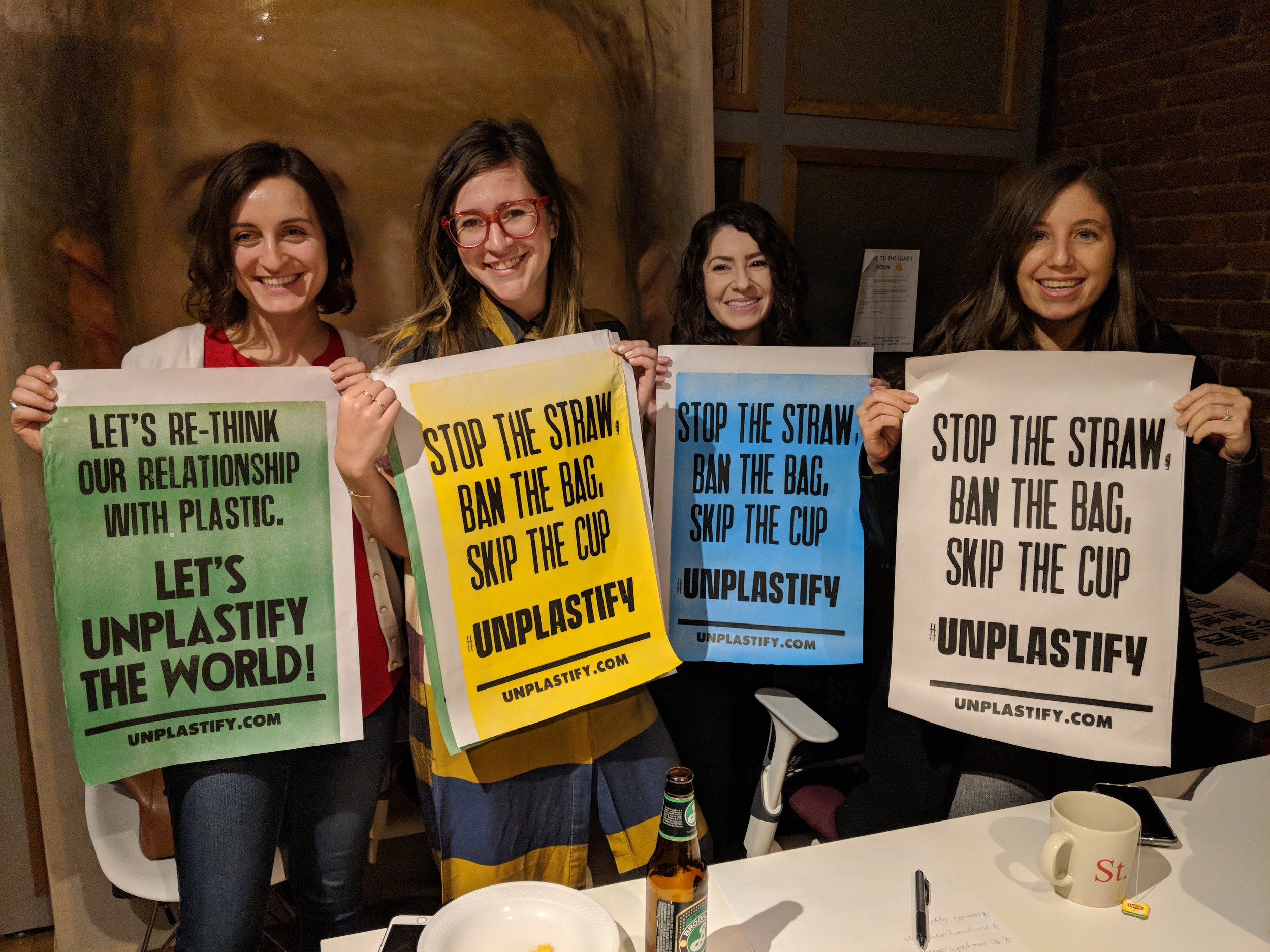
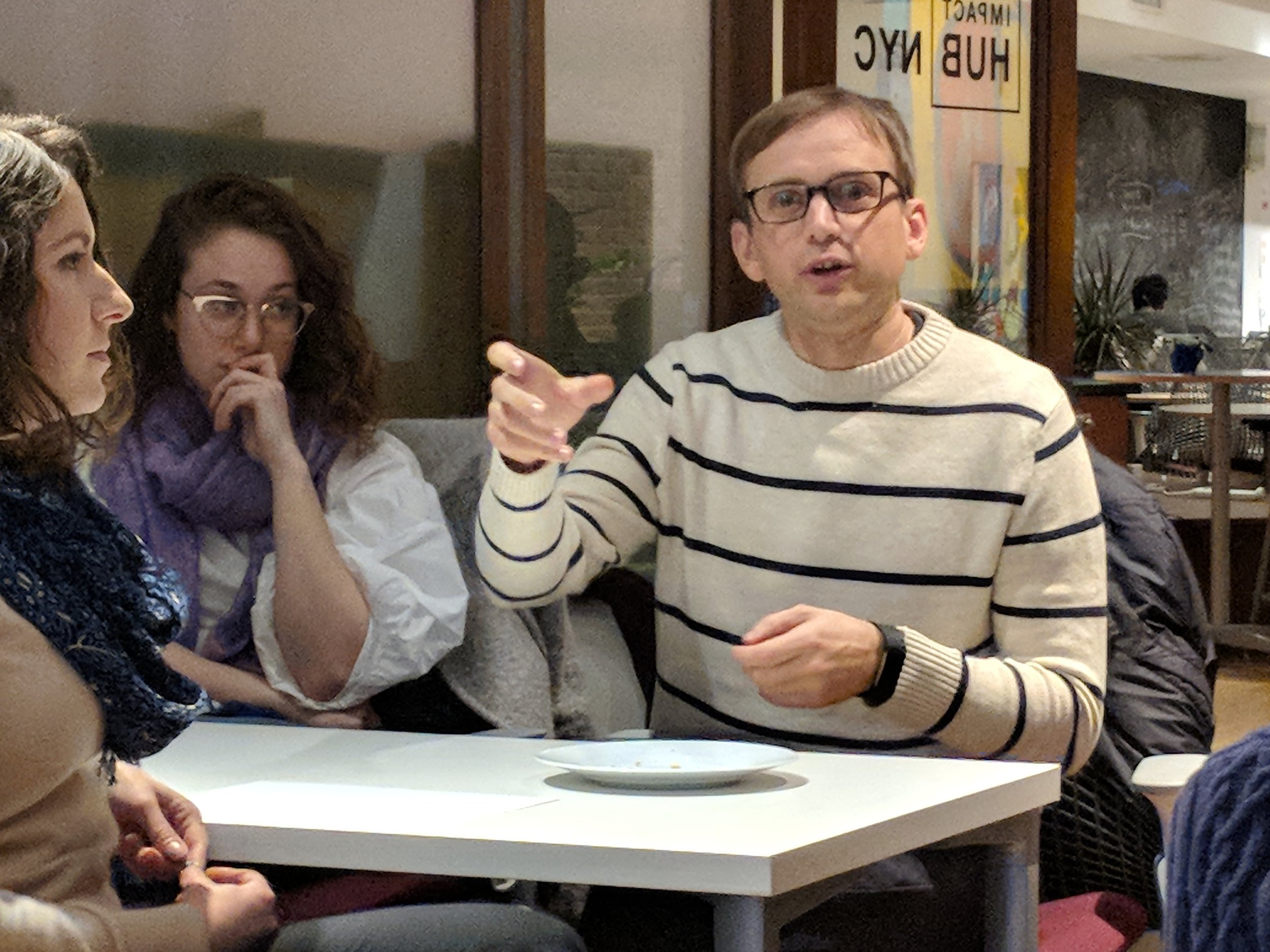
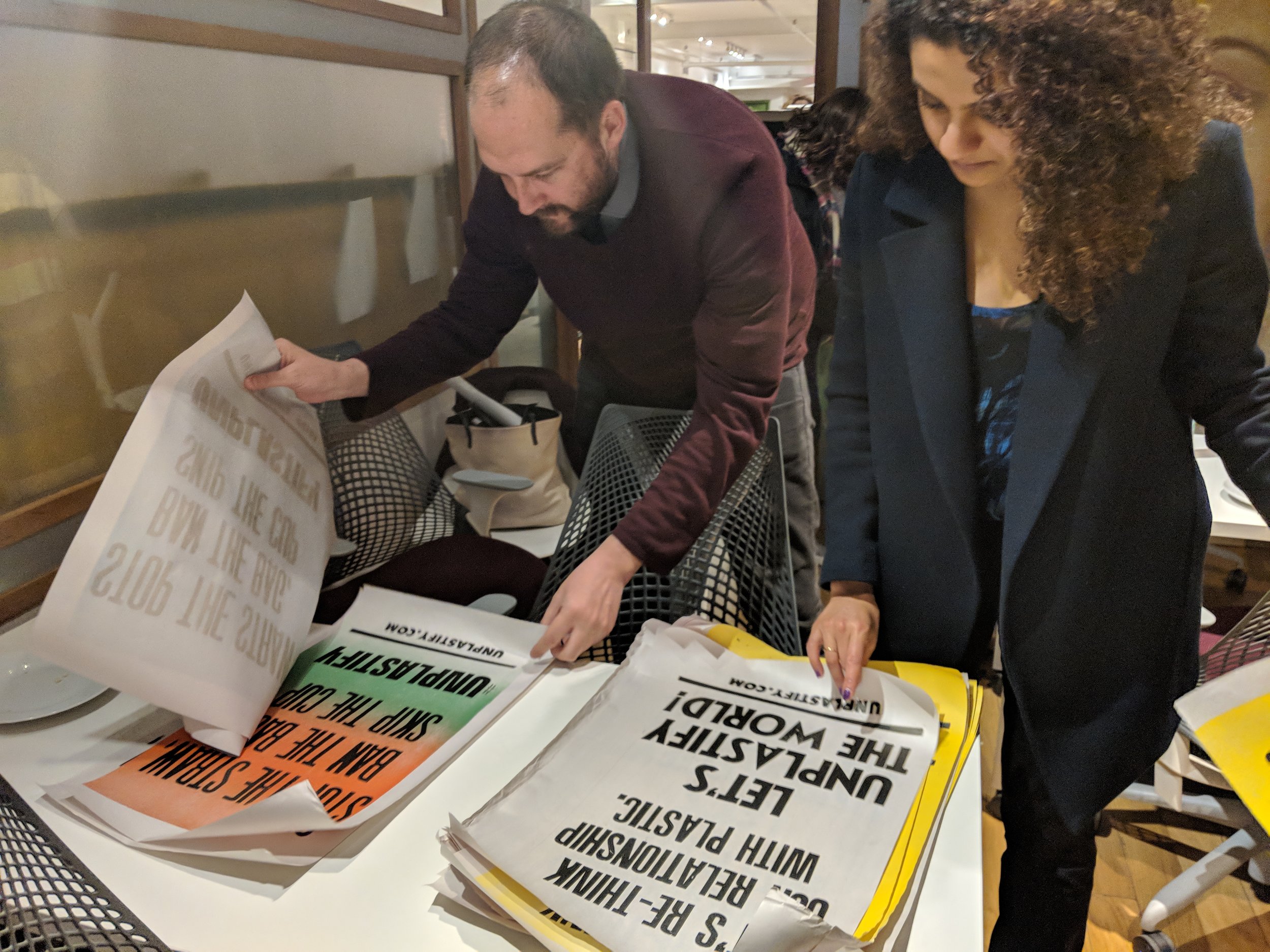
Durante los eventos que hicimos en Abril, no sólo contamos de qué se trata Unplastify, sino que aprovechamos para empezar a generar conciencia y acción. // During the events we had in April, not only we talked about the Unplastify initiative, but also, we started to raise awareness and take action.

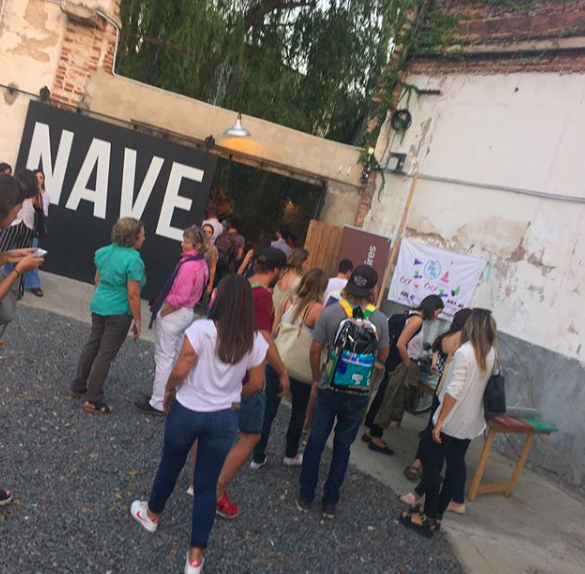
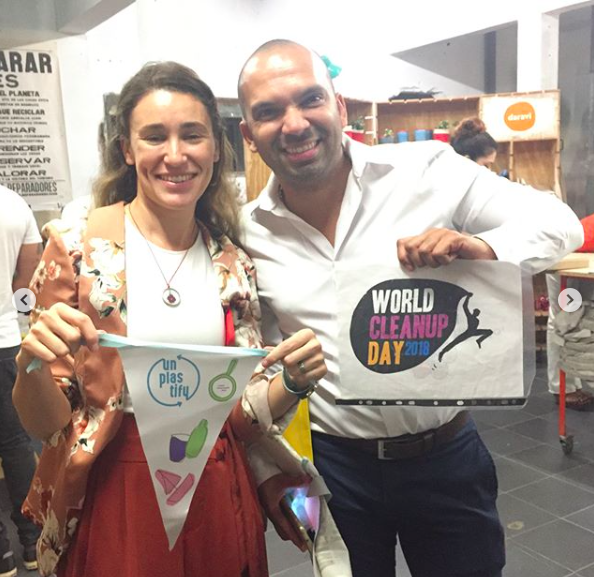


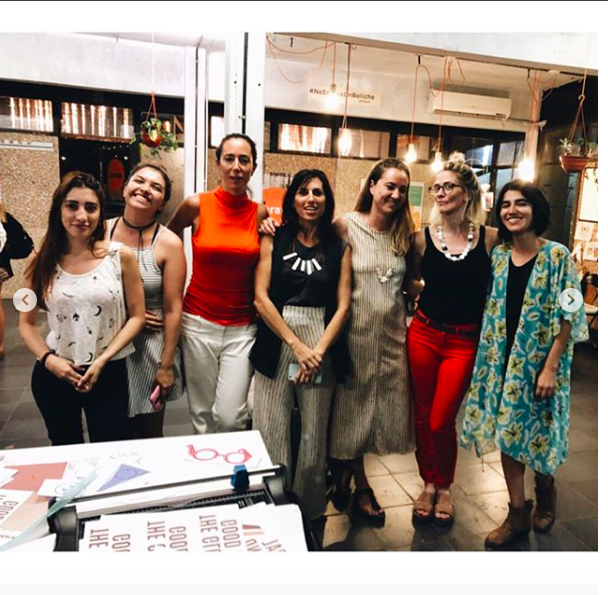
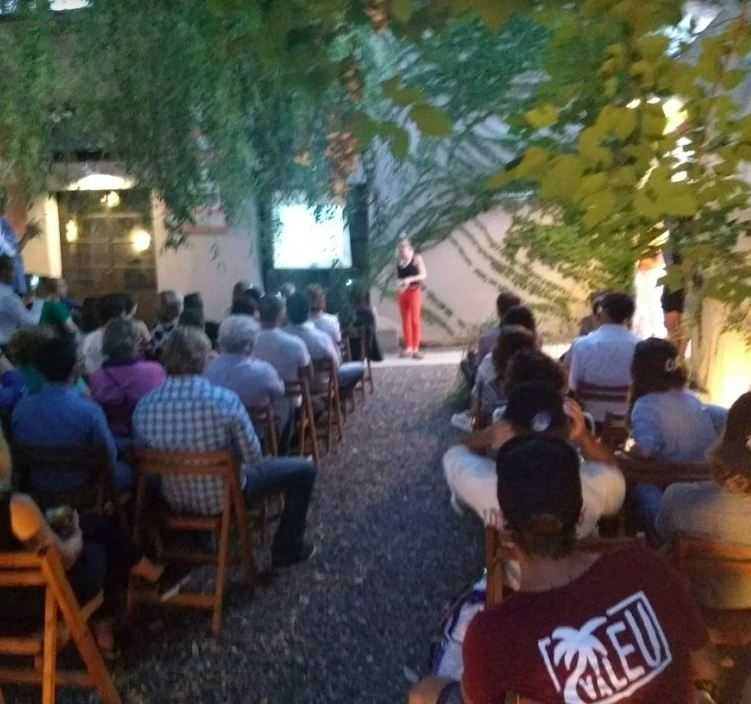
Durante los eventos que hicimos en Abril, no sólo contamos de qué se trata Unplastify, sino que aprovechamos para empezar a generar conciencia y acción.
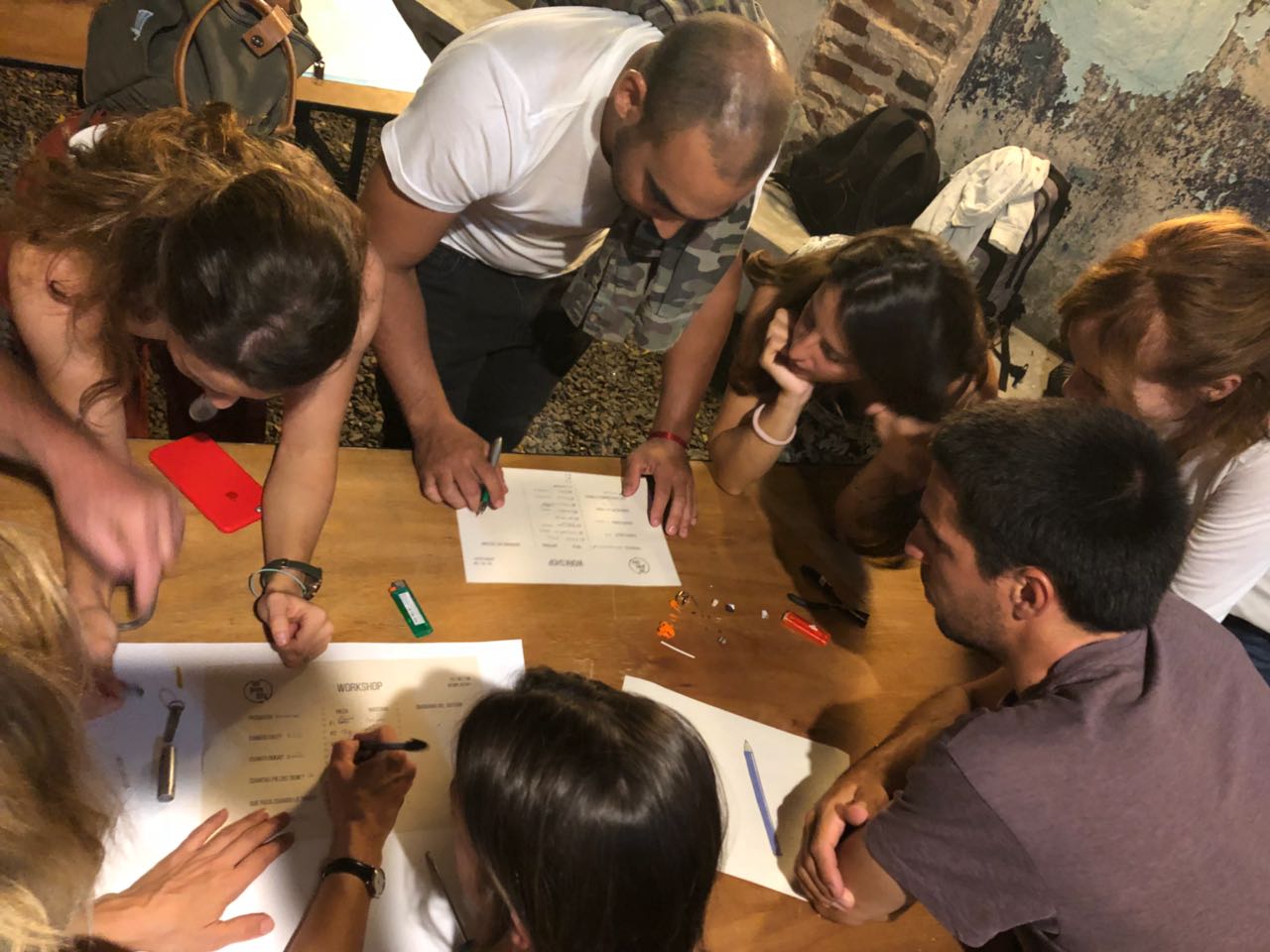
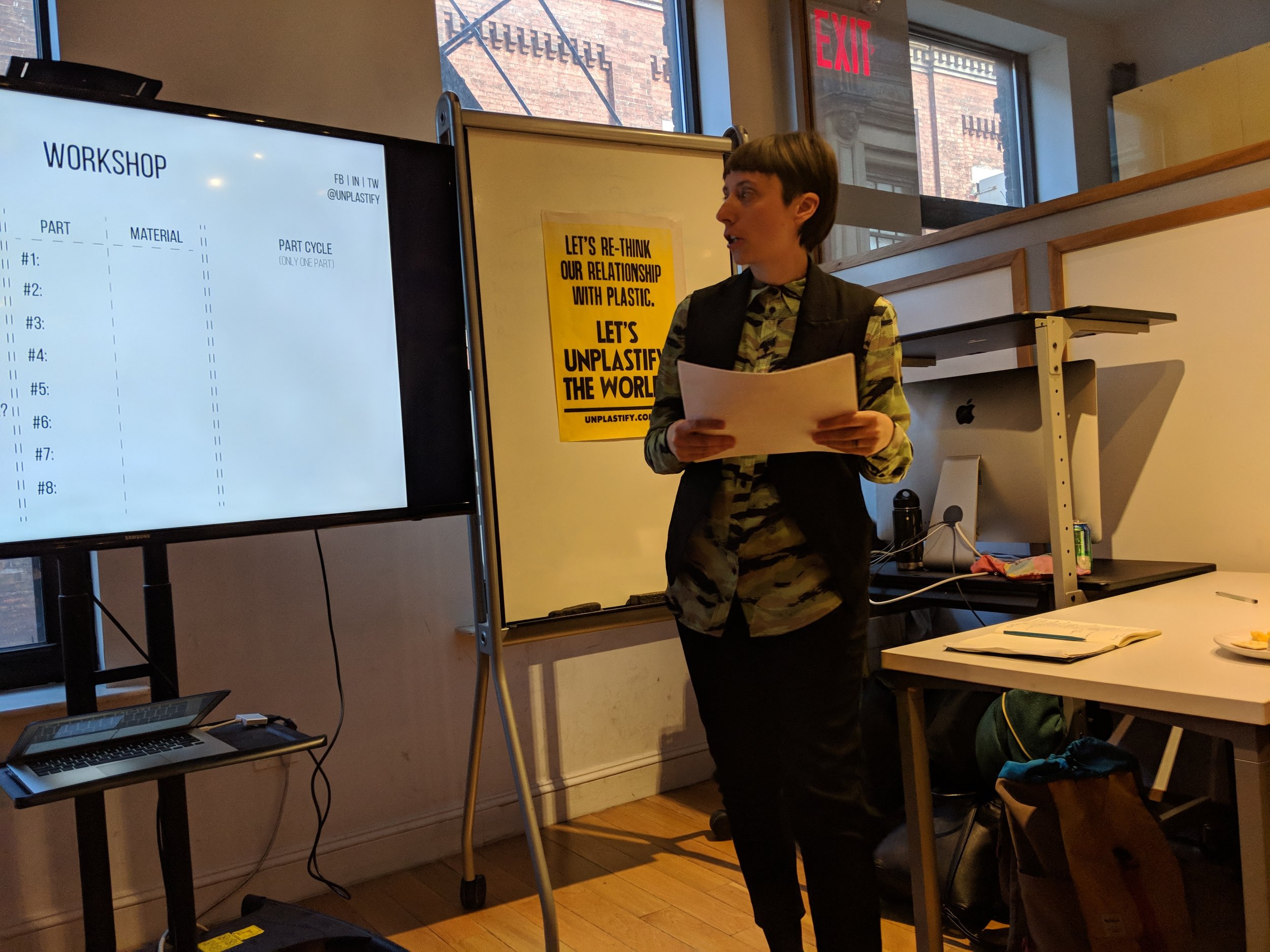
Primero, invitamos a los participantes a explorar el mal uso del plástico, a través de una actividad: desarmar y analizar un producto simple como una birome o un encendedor, entender sus partes y sus respectivos ciclos de vida. Los resultados dieron que hablar, y la conclusión común fue darnos cuenta de la cantidad de recursos y energía que se invierten en un producto tan simple, para luego ser desechado y posiblemente terminar en el relleno sanitario perdiendo todo su valor y contaminando el ambiente.
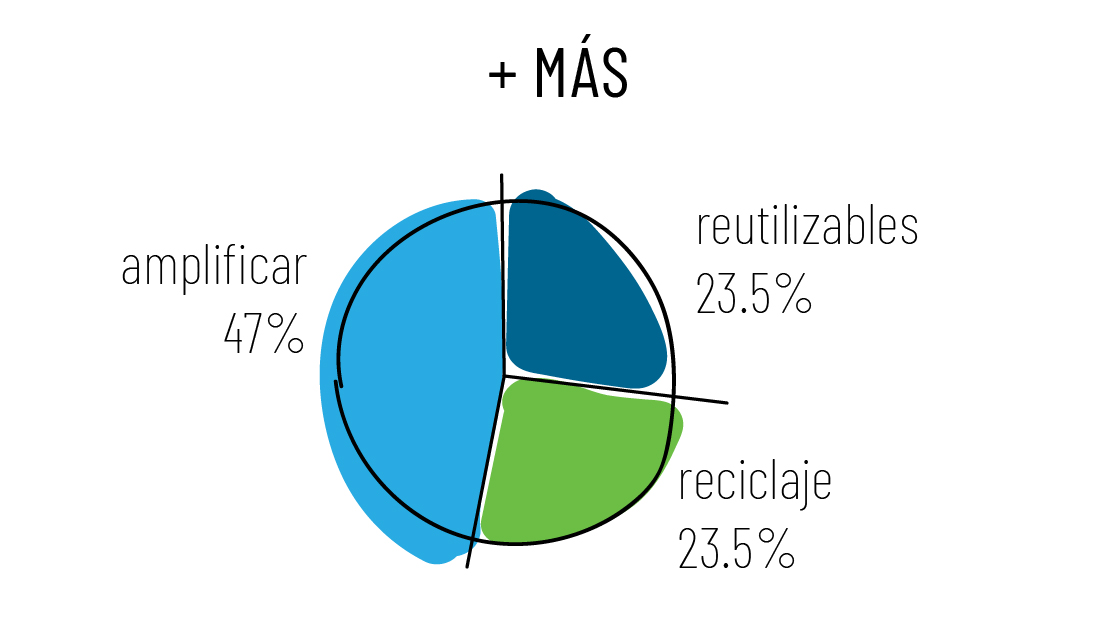
Además, propusimos a cada participante a sumarse a un desafío desplastificante #unplastifychallenge, comprometiéndose a cambiar un hábito en la vida que impacte el uso del plástico. Los compromisos variaron desde dejar de usar bolsas, botellas y sorbetes descartables hasta aumentar el uso de reutilizables y amplificar el mensaje desplastificador. En los gráficos abajo pueden ver los resultados.
Ahora, contanos qué estas haciendo vos en tu vida para desplastificarte. Sumate al desafío: subí una foto en redes sociales y usa el hashtag #UnplastifyChallenge. Vamos a desplastificar el mundo juntos!

During the events we had in April, not only we talked about the Unplastify initiative, but also, we started to raise awareness and take action.
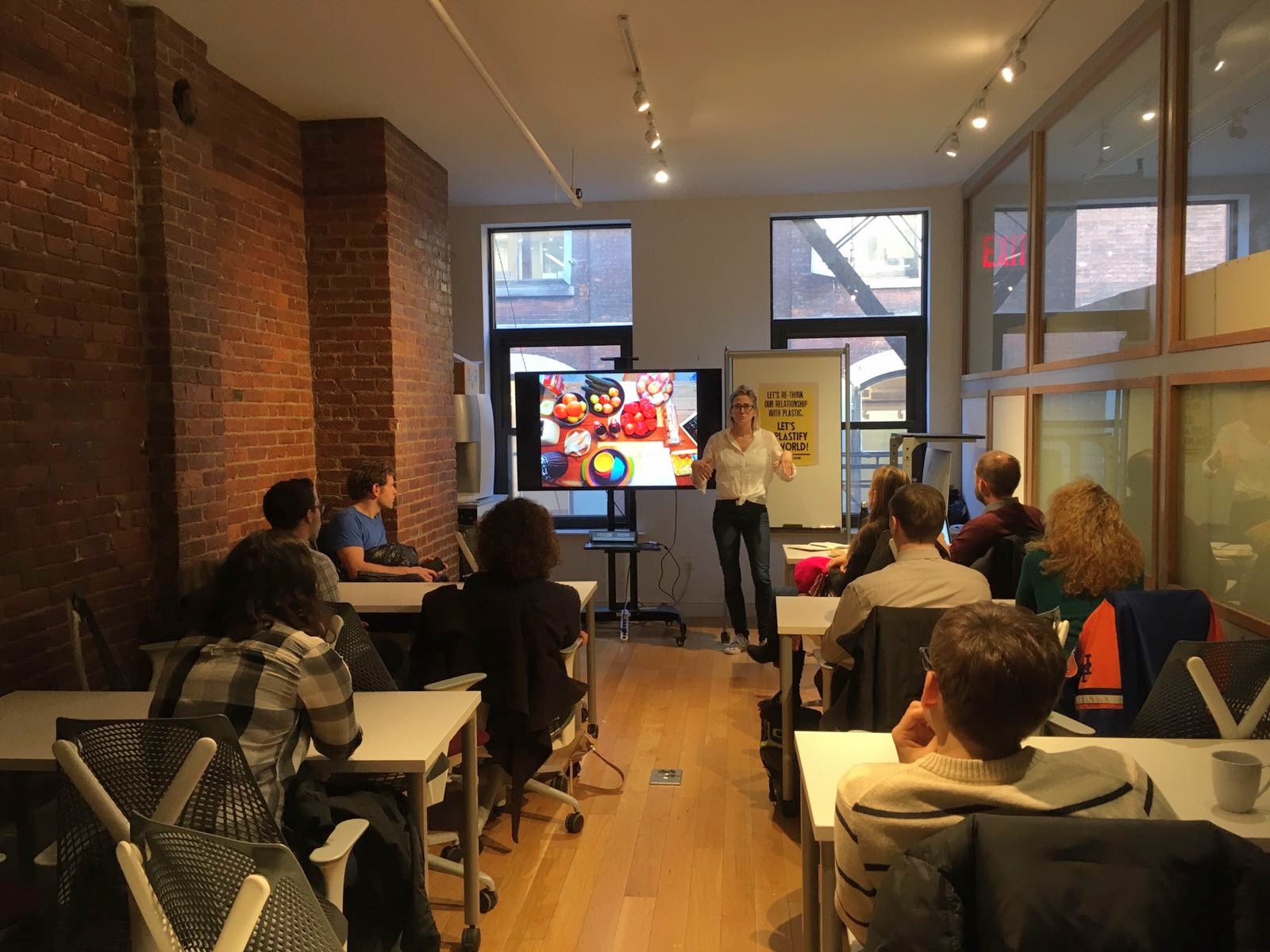
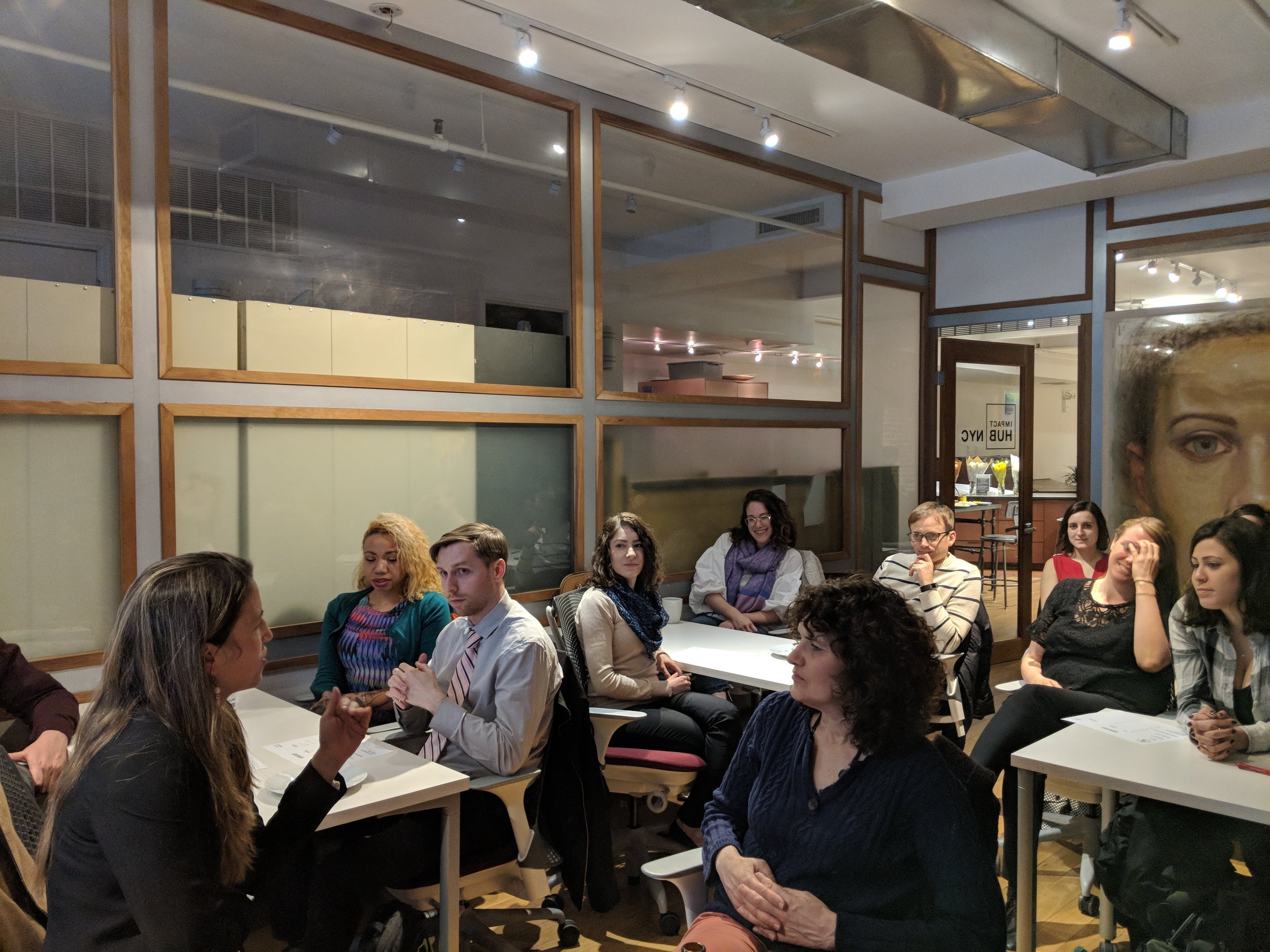
First, we invited the attendees to explore the misuse of plastic through an activity: to disassemble and analyze a product as simple as a pen or lighter, understand its parts and their lifecycle. The results open the debate and the conclusion in common was to realize the impressive amount of resources and energy invested in a simple product, which will be then disposed and possibly end in a landfill, loosing all its value and polluting the environment.
Also, we propose to every participant to join the #UnplastifyChallenge, pledging to change a habit in their lives that impacts their use of plastic. The pledges varied from stop using single-use plastic bags, bottles and straws, to increasing reusable items and amplify the unplastify message. In the graphics below you can visualize the results.
Now, tell us what are you doing in your life to unplastify it. Join the challenge: post a picture in social media and use the hashtag #UnplastifyChallenge. Lets unplastify the world together!



EARTH INSTITUTE ABOARD FANKY
A few weeks back, The Earth Institute, represented by Sarah E. Fecht, visited us aboard Fanky in the shipyard. It was a very cold day, but I think she was able to capture, both my excitement and the challenges of the adventure - USA
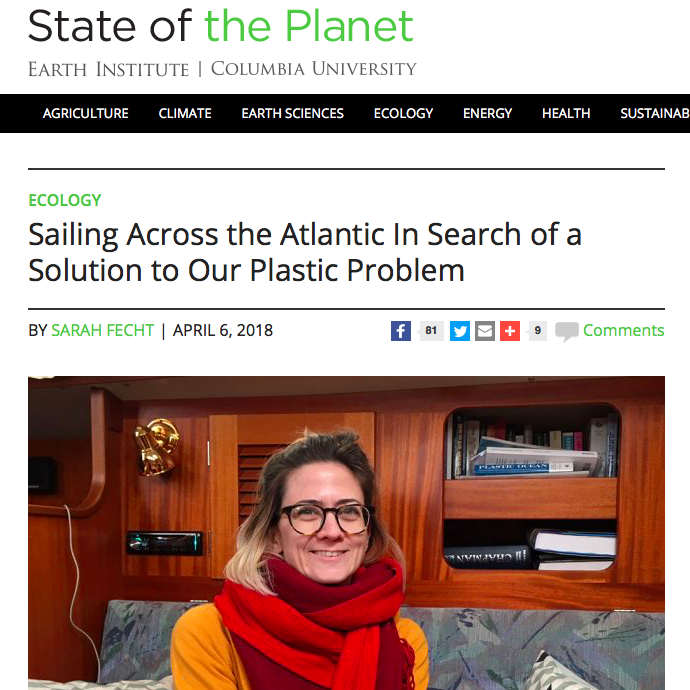
On a cold, gray day in March, Agustina Besada climbs down into the belly of Fanky the 37-foot sailboat. It’s cozy inside, though a bit stoop-inducing in some places.
Starting in just a few weeks, Besada and a small crew will spend two months living in this boat as they sail from New York to Portugal. Over the next two months, their mission is to explore where plastic pollution comes from, where it ends up, and how our society can fix its broken relationship with this persistent polymer.
“I’ve always felt obsessed with plastic,” explains Besada. After graduating from Columbia University’s Sustainability Management (SUMA) program and the Columbia Business School, she has worked primarily in waste management and recycling. She says that seeing the massive amounts of plastic that people discard every day was one inspiration for the plastic pilgrimage, dubbed “UnPlastify.”
Along the journey, Besada will be collecting samples for research on plastic pollution for the 5Gyres Institute. She’ll also be blogging, interviewing experts, and contemplating many questions. How is it that humanity came to have this relationship with plastic? What are other people doing to fix it? What does plastic pollution in the ocean actually look like? Besada hopes others will submit their questions and participate in the exploration as well.
“I can read reports and make my conclusions,” she says, “but I really wanted to experience this and share my journey and my questions and my findings.”
Plastic, Plastic Everywhere
Besada isn’t advocating that we eradicate plastic from our lives. That would be extremely difficult. “But I do think we need to rethink this relationship with plastic,” she says. “It is too much. We are too dependent on each other. We need to take a break, and think about how can we have a healthier relationship?”
The first step, she says, is realizing that we have a problem. You may use a water bottle or a plastic straw for a few minutes, but these items linger in landfills and the environment for centuries. “Once you realize that, it’s very difficult to not do anything,” says Besada.
It isn’t enough to simply recycle. Many items—like straws and food wrappers—are very difficult to recycle. And a large portion of recyclable plastics get sent to landfills anyway. Plus, items made from recycled plastic are usually not recyclable themselves, so there’s a limit to how many times we can reuse them.
One of the biggest and easiest ways to help is to do your best to avoid single-use plastics. Some suggestions:
Fill up your reusable water bottle before leaving home
Carry a cloth shopping bag in your purse, car trunk, or backpack
Bring your own Tupperware for restaurant leftovers
Resist the urge to use plastic lids or straws with your beverages
Buy other items that have been made from recycled plastic, to increase demand for items that aren’t made from virgin plastic.
“There’s no to-do list that works for everyone. What plastic can you eliminate from your life?” Besada asks.
Over the long-term, she hopes to find ways to create a circular plastic economy.
Being Prepared
Besada’s training through the Earth Institute is helping her as she designs the framework for her Unplastify interviews, data collection, and analysis.
“Something you learn at SUMA is that you need to measure, you need to quantify, you need to understand what the problem is in order to do something,” she says. “Having this process in mind for the development of the project, and working with a scientific approach, that’s something that I definitely got from the program.”
She’s also had to pick up a few new skills.
“I’m getting to be an expert in plumbing,” she says, “and getting parts, fixing things.” At the stern of the ship, tools and washers are strewn about where she’s fixing the rudder. Then there are engine repairs—she’s the only one on the crew small enough to fit into the tiny engine room—and learning about safety, navigation, and the weather.
Despite the multitude of tasks to finish, the team is on track to set sail in mid-April. From New Jersey, they’ll sail to Virginia to meet up with a rally of other boats following the same passage across the Atlantic. In the coming weeks, they’ll stop in Bermuda and the Azores, before arriving in Portugal in mid-June.
Then, for Phase 2, they’ll sail through Europe, adapting and improving on their study design. The journey will come to an end in November, after which the team will present the results of their exploration.
You can follow their journey on the Unplastify blog, as well as Instagram, Facebook, and Twitter.
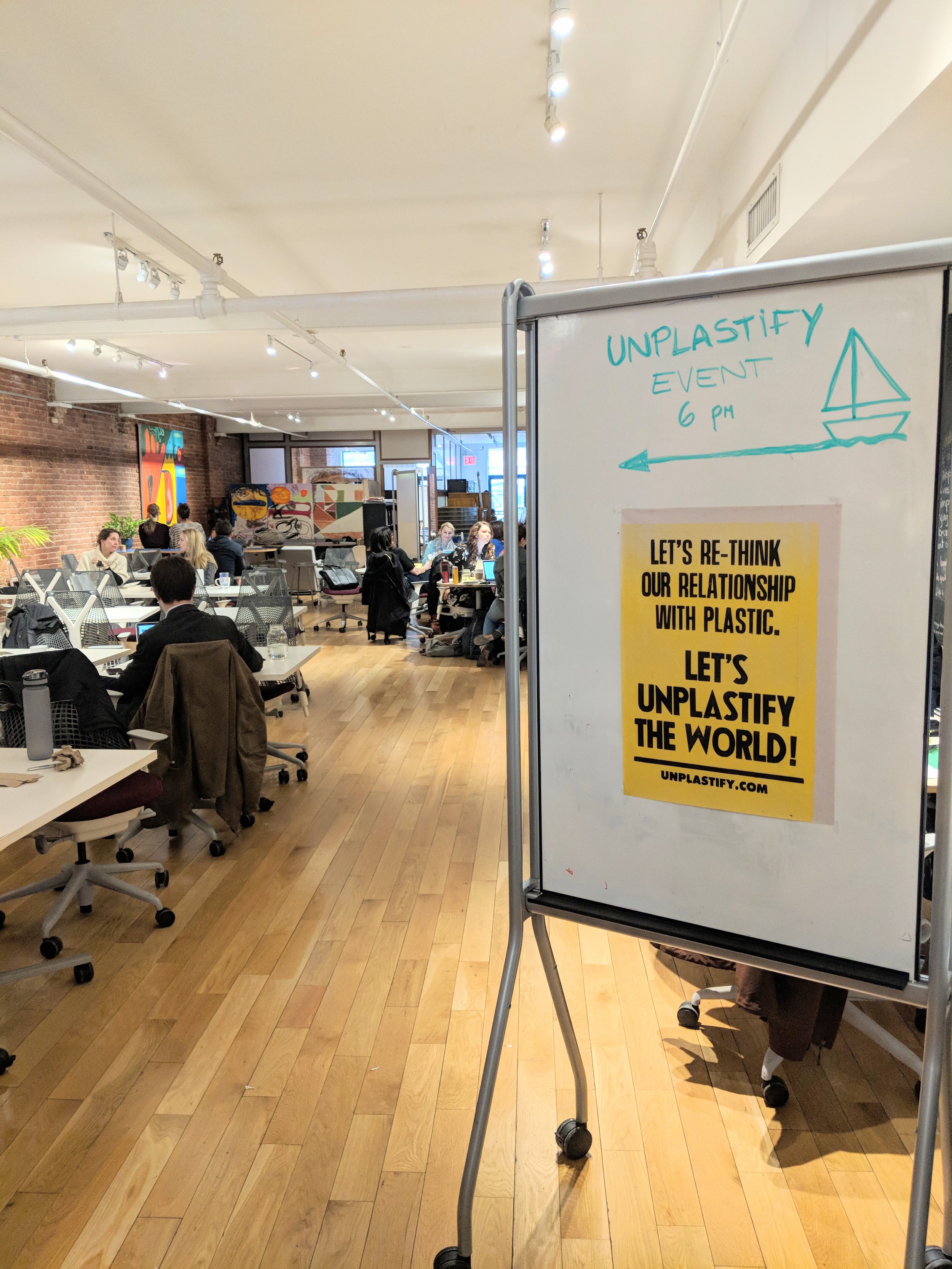
UNPLASTIFY EVENT + WORKSHOP IN NEW YORK
April 11 - 6 PM
Impact Hub New York
New York, USA
Join us to learn more about the #unplastify project and start exploring together what is wrong with plastic
With the support of: PAPAstudio + Conexion Coral + Art 41 + 5 Gyres + MAFIA + Impact Hub

LANZAMIENTO + WORKSHOP EN BUENOS AIRES

5 de Abril - 6 PM
Impact Hub Distrito Tigre Sur
Pcia. Buenos Aires, Argentina
Sumate al evento para conocer más del proyecto #unplastify, conocer al equipo y empezar a entender juntos qué pasa con el plástico.
Nos acompañan: PAPAstudio + Conexion Coral + Art 41 + 5 Gyres + MAFIA + Impact Hub + Pasaje Italia + Patagonia